
Mobility Assist Devices That Improve Daily Independence
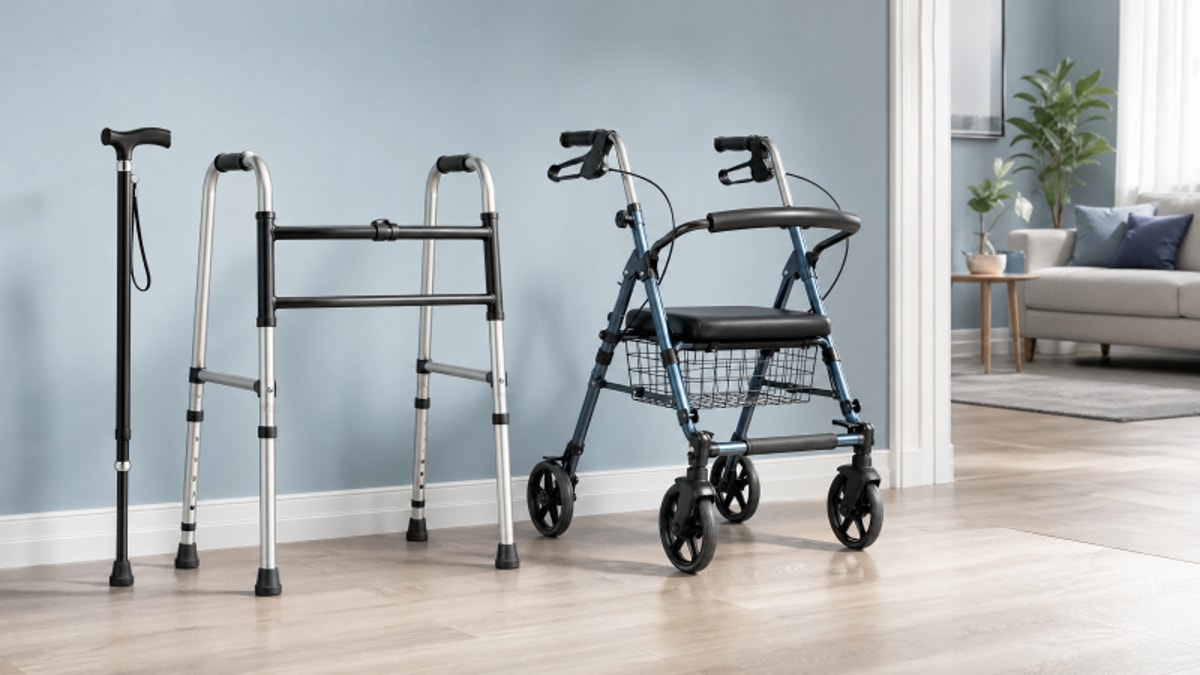
Mobility Assist devices can do far more than support movement—they can restore confidence, reduce daily strain, and help people stay active at home and beyond. From walkers and canes to advanced support solutions, choosing the right aid can make everyday tasks safer and more manageable. This guide explores practical options that improve independence while helping consumers understand what truly matters in performance, comfort, and reliability.
Understanding Mobility Assist and Why It Matters
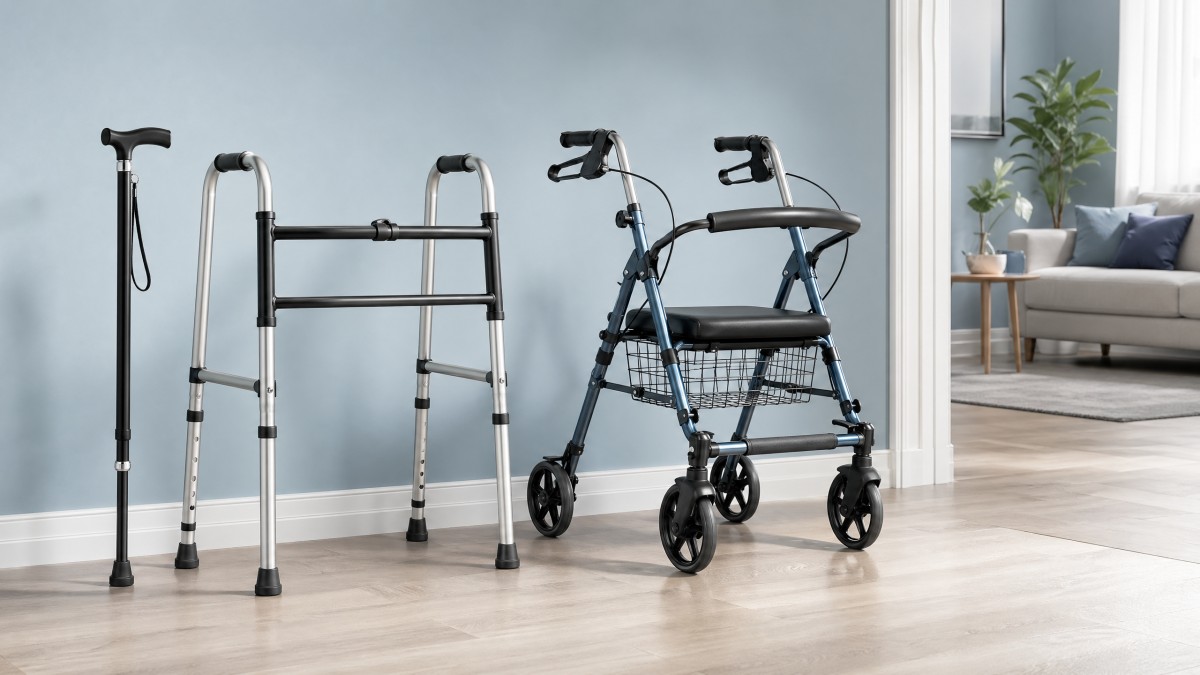
Mobility Assist is a broad term that includes devices designed to help people move more safely, steadily, and comfortably during daily life. For end users, this may mean a simple cane for balance, a rollator for longer walks, a transfer aid for standing from a chair, or a more supportive device for recovery after surgery or injury. Although the products vary widely, the goal is usually the same: reduce fall risk, conserve energy, and support independent movement across the home and community.
Interest in Mobility Assist has grown because more people are managing age-related weakness, joint pain, neurologic conditions, post-operative recovery, and reduced endurance at home. In many households, mobility changes appear gradually over 3 to 12 months rather than overnight. A person may first notice difficulty climbing 8 to 12 steps, rising from low seating, or walking more than 10 to 15 minutes without fatigue. At that stage, the right support device can make a meaningful difference before safety problems become severe.
From a healthcare engineering perspective, daily-use mobility products should not be judged by appearance alone. Stability geometry, grip ergonomics, brake consistency, material fatigue resistance, and adjustability all influence real-world performance. This is especially important in a market where product descriptions can sound similar while long-term durability and user comfort vary significantly. For consumers, understanding these practical performance factors leads to better decisions and fewer costly replacements.
The Core Purpose of Everyday Mobility Support
A well-matched Mobility Assist device should improve function, not create new obstacles. If a walker is too wide for interior doorways, if a cane height is off by even 2 to 3 centimeters, or if grips create wrist strain after 20 minutes of use, the device may be less helpful than expected. Everyday independence depends on fit, routine use, and compatibility with real living spaces such as hallways, bathrooms, and vehicle entry points.
Many people assume mobility support is only for severe disability, but that view is outdated. In practice, Mobility Assist often serves people in transitional phases: after a hip procedure, during arthritis flare-ups, while recovering from a fall, or when stamina declines over time. In these cases, the device is not a symbol of limitation. It is a practical tool that extends safe participation in ordinary routines like cooking, shopping, bathing, and visiting friends.
Because user needs differ, a standard overview helps separate product categories according to balance needs, endurance demands, and living environment. The table below gives a clear starting point for consumers comparing common Mobility Assist options.
This comparison shows that Mobility Assist is not one product category but a spectrum of support levels. The best option depends on whether the main challenge is balance, endurance, transfers, or community walking. Consumers who define the problem clearly usually narrow their choices faster and avoid buying devices that are either insufficient or unnecessarily bulky.
Why Daily Independence Depends on Better Device Matching
The value of Mobility Assist becomes most visible in ordinary tasks. Walking from bedroom to bathroom at night, standing at the kitchen counter for 15 minutes, carrying light groceries from a car, or attending a family event can all become difficult when strength, balance, or endurance decline. A properly matched device can lower physical effort and improve confidence across these repeated daily movements.
For many users, confidence is as important as mechanical support. A person who feels unstable may reduce activity, which can lead to deconditioning over several weeks or months. That creates a cycle: less movement leads to lower strength, lower strength increases fall risk, and fall risk encourages even more avoidance. Mobility Assist can interrupt that cycle by making movement feel safer and more predictable in familiar spaces.
There is also a practical home-care benefit. When users choose a device that truly fits their needs, they may rely less on constant hands-on assistance for transfers, short walks, or bathroom access. This can reduce daily strain for spouses, adult children, or other caregivers. It does not replace professional evaluation when needed, but it can support a more manageable routine between clinic visits or therapy sessions.
Where Consumers Usually Feel the Difference
In real use, improvements often appear in small but meaningful ways within the first 1 to 2 weeks. A user may complete bathroom trips more steadily, walk a hallway without touching walls, or spend 20 to 30 minutes outside instead of 5 to 10. These changes may sound modest, yet they often represent a major gain in independence and quality of life.
Typical daily benefits of Mobility Assist
- Safer transfers from chairs, beds, or toilets, especially when lower-body strength is reduced.
- Improved walking tolerance for indoor routes, parking lots, and community errands.
- Reduced joint loading in hips, knees, or ankles when support is used correctly.
- Better pacing through built-in rest options, such as a rollator seat during outings lasting 30 to 60 minutes.
- Lower fear of falling, which can encourage continued movement and social participation.
The best results usually come when a device supports an actual daily pattern rather than a hypothetical need. Someone who mainly struggles with fatigue outdoors may benefit more from a rollator than a standard walker. Someone who is stable on level ground but unsteady on stairs may need a different support strategy entirely. Matching the device to the most frequent challenge is often more useful than choosing the most heavily advertised option.
Common Types of Mobility Assist Devices and Who They Help
Consumers often face too many choices at once. A better approach is to group Mobility Assist devices by the kind of support they provide. Some products improve balance during walking, some reduce body-weight demand, and others help with sit-to-stand transitions. This practical classification helps people compare options according to function instead of marketing language.
Another useful distinction is between temporary and ongoing use. Devices used for 4 to 8 weeks after surgery may prioritize easy adjustment and short-term convenience. Devices intended for 12 months or longer should be evaluated more carefully for grip wear, wheel durability, brake reliability, corrosion resistance, and ease of maintenance. Long-term comfort becomes increasingly important when the device is used multiple times every day.
The table below outlines common categories of Mobility Assist devices, typical users, and the practical environments where they tend to perform best.
This classification highlights an important principle: the “best” Mobility Assist device is always context-specific. A walker that feels very stable indoors may be awkward in crowded stores. A cane that seems convenient may not provide enough support when fatigue increases late in the day. Consumers benefit from thinking in terms of use case, route length, and support level rather than choosing by appearance or price alone.
Short-Term Recovery vs Long-Term Support
For short-term use, portability and ease of setup may matter most. A folding walker that fits a vehicle trunk or a cane with quick height adjustment can be practical when needs are changing week by week. For long-term users, details like hand pressure distribution, wheel wear over 6 to 12 months, and the consistency of locking mechanisms become more important.
Consumers should also consider whether their mobility level is stable, improving, or gradually declining. If walking endurance is changing over a 3-month period, buying a device that allows limited adjustment or accessory support may be wiser than choosing the simplest product available. A little flexibility can prevent the need to replace equipment too quickly.
When possible, compare the device not just in a store aisle but in the environment where it will actually be used. Turning radius, threshold clearance, seat height compatibility, and bathroom spacing can all affect usability. These details may seem minor at first, yet they often determine whether a Mobility Assist product becomes part of a daily routine or ends up unused.
What to Look for in Performance, Comfort, and Reliability
For consumers, the three most important evaluation areas are performance, comfort, and reliability. Performance refers to how well the device supports movement under real conditions. Comfort affects whether the device is used consistently. Reliability determines whether support remains dependable after repeated daily loading. In many cases, a product only succeeds when all three areas are reasonably balanced.
Performance starts with fit. Handle height, frame width, wheel behavior, and base stability should suit the user’s body size and walking pattern. Even a high-quality Mobility Assist device can feel unsafe if it is poorly adjusted. For example, excessive forward leaning can increase shoulder strain, while an unstable base may create hesitations during turning or stopping.
Comfort is not just about softness. It includes grip shape, vibration transfer through the frame, seat support on rollators, and the force required to activate brakes or folding mechanisms. If a user has arthritis, reduced hand strength, or neuropathy, these factors become critical. A device used 5 to 10 times a day should not create avoidable pain in the hands, wrists, or back.
A Practical Home Evaluation Checklist
Before deciding, it helps to review a structured checklist. This kind of assessment is especially useful because visual similarities between devices can hide important engineering differences.
Key points to assess before purchase
- Measure doorways, hallways, and bathroom access points, especially if clearances are tight.
- Check whether height adjustment covers the user comfortably without forced shoulder elevation.
- Test braking, locking, and folding functions at least several times to detect stiffness or inconsistency.
- Review surface use: tile, carpet, outdoor pavement, thresholds, and slopes may require different wheel behavior.
- Confirm whether replacement tips, wheels, or accessories are reasonably available over a 6- to 12-month period.
Reliability is often overlooked during initial shopping. Consumers should pay attention to weld integrity, locking points, corrosion exposure, brake cable routing when applicable, and signs of frame flex during use. While most shoppers will not conduct laboratory testing, they can still benefit from the mindset used in technical benchmarking: ask how the device will perform after repeated loading, not just how it feels on day one.
This is where engineering-focused thinking adds value. In healthcare markets, the difference between promotional claims and practical performance can be significant. A data-driven evaluation approach—similar to the benchmarking philosophy used by VitalSync Metrics (VSM)—helps consumers focus on measurable qualities such as adjustability range, component durability, and design consistency. Even when shopping at the consumer level, that mindset leads to more reliable choices.
Practical Tips for Safer Use at Home and Beyond
Choosing the right Mobility Assist device is only part of the process. Safe and confident use also depends on setup, home layout, and routine practice. Many issues appear not because the device is wrong, but because the home has obstacles like loose rugs, narrow furniture spacing, poor lighting, or hard-to-reach storage areas. Small environmental changes can improve outcomes quickly.
Users should expect a short adjustment period, often 3 to 7 days for basic familiarity and up to 2 weeks for smoother everyday use. During that time, it helps to practice on common routes: bed to bathroom, kitchen to dining area, entrance to vehicle, and mailbox or sidewalk if outdoor walking is part of the routine. Repetition builds confidence and reveals fit problems early.
Safe use also depends on maintenance. Worn cane tips, loose fasteners, damaged grips, misaligned wheels, or weak brakes can reduce stability gradually without drawing immediate attention. A simple inspection every 2 to 4 weeks can help identify issues before they affect safety.
Simple habits that improve long-term results
- Keep walking routes clear of cords, small tables, and unstable mats that can catch tips or wheels.
- Use the same shoe type during early practice sessions to avoid changes in step height or traction.
- Recheck adjustment settings if pain develops in the wrist, shoulder, neck, or lower back.
- Store the device where it is easy to reach within 1 or 2 steps, especially near the bed or main chair.
- Ask for clinical guidance if dizziness, repeated near-falls, or new weakness continues despite support.
These practical steps help transform Mobility Assist from a purchased item into a dependable daily support system. The main objective is not merely movement with equipment, but safer movement that preserves energy, reduces stress, and supports continued participation in home and community life.
Why Expert Guidance Helps and How to Take the Next Step
Consumers do not need to become engineers to make better decisions, but they do benefit from structured guidance. Mobility Assist products involve more than size and appearance; they involve stability, repeated-use durability, comfort over time, and suitability for a specific living environment. When these factors are reviewed carefully, the chance of finding a practical long-term solution improves significantly.
Why choose us? VitalSync Metrics (VSM) approaches healthcare products through a technical, evidence-oriented lens. Our perspective is shaped by engineering evaluation, benchmarking logic, and careful attention to product integrity across the MedTech and Life Sciences supply chain. For end consumers, that means clearer insight into what actually matters: functional design, realistic performance expectations, and dependable quality signals that go beyond advertising language.
If you are comparing Mobility Assist options, contact us for more informed support on parameter confirmation, product selection direction, practical performance questions, expected delivery timelines, home-use suitability, and broader quality or compliance considerations that may affect confidence in a device. Whether you are narrowing down a cane, walker, rollator, or transfer support solution, a more technical and structured review can help you choose with greater clarity and less uncertainty.
Recommended News
- 2026.04.29Healthcare Analytics Metrics That Support Smarter Budget CallsLydia Vancini (Regulatory Compliance Lead)
- 2026.04.29Mobility Assist Selection Mistakes That Limit Long-Term UseSarah Jenkins (Laboratory Infrastructure Consultant)
- 2026.04.29Endoscope Image Resolution Benchmark for Vendor ComparisonDr. Alistair Thorne (Senior Biomedical Engineer)
The VitalSync Intelligence Brief
Receive daily deep-dives into MedTech innovations and regulatory shifts.