
Rehabilitation & Bionics Options for Better Mobility Outcomes
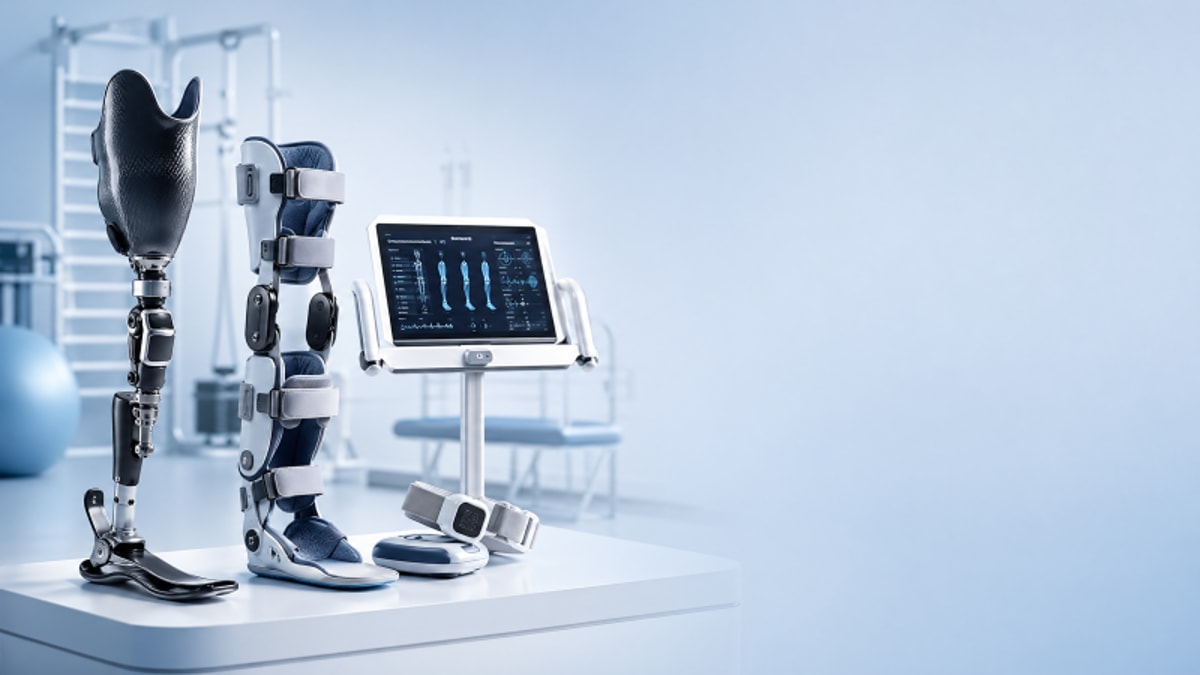
Rehabilitation & Bionics are reshaping how people recover movement, reduce physical limitations, and regain independence in daily life. From advanced prosthetics to data-informed rehabilitation strategies, today’s mobility solutions offer more personalized and effective pathways to better outcomes. Understanding the options available can help patients and families make confident decisions for long-term function, comfort, and quality of life.
What do Rehabilitation & Bionics actually include for mobility recovery?
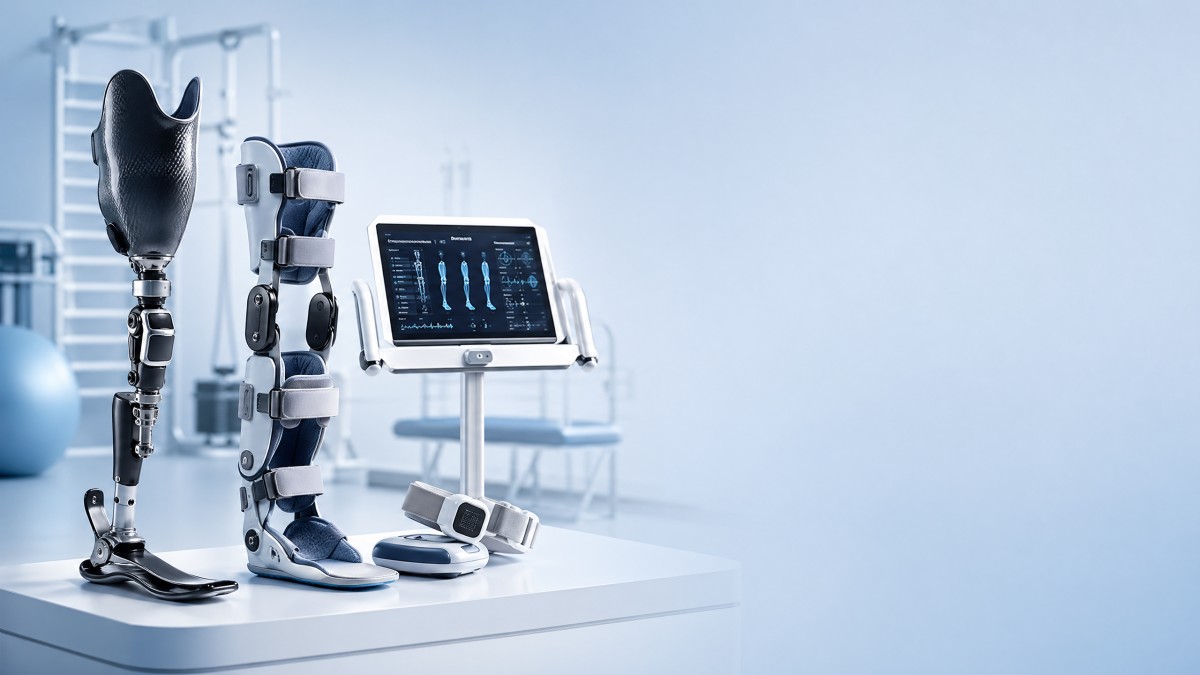
For most consumers, Rehabilitation & Bionics are not a single product category. They are a connected care pathway that may include prosthetic limbs, orthotic devices, powered braces, gait training, wearable sensors, physical therapy protocols, and long-term functional monitoring. In practical terms, better mobility outcomes usually depend on how well these elements work together over 3 stages: assessment, fitting, and ongoing adjustment.
Rehabilitation focuses on restoring or improving movement after injury, surgery, neurological change, or limb loss. Bionics adds engineered assistance through devices that can support balance, joint motion, grip, or walking efficiency. For some users, this means a below-knee prosthesis with a responsive foot. For others, it may mean a sensor-assisted brace that improves safety during daily walking from room to room, workplace tasks, or community mobility.
The most important shift in the market is personalization. A mobility device that performs well in a brochure may still fail in real life if socket comfort, alignment, fatigue resistance, battery runtime, or training support do not match the user’s body and routine. That is why more buyers now look beyond claims and ask for measurable indicators such as fit tolerance, maintenance intervals, expected service life, and compatibility with clinical follow-up.
VitalSync Metrics (VSM) adds value in this decision process by translating technical language into usable evaluation criteria. Instead of relying only on promotional messaging, consumers and advisors can benefit from engineering-based benchmarking, material performance interpretation, and clearer comparisons between wearable systems, orthopedic components, and rehabilitation technologies that affect real mobility outcomes over weeks, months, and years.
Core solution types people commonly compare
- Passive prosthetic and orthotic devices, often selected for lower maintenance needs, lighter weight ranges, and lower dependence on charging routines.
- Microprocessor or sensor-supported systems, which may improve adaptation to changing gait speed, surface conditions, or activity patterns but require closer technical review.
- Rehabilitation platforms with digital tracking, where therapists and users can monitor gait symmetry, step count trends, pressure distribution, or exercise adherence over 2–4 week intervals.
- Hybrid pathways, where a mechanical device is paired with structured rehab, home exercises, and periodic performance checks every 1–3 months.
Which mobility scenarios need different Rehabilitation & Bionics choices?
Not every mobility challenge should be solved the same way. A young adult returning to work after traumatic limb loss has very different needs from an older adult managing balance decline, joint degeneration, or post-stroke weakness. Good Rehabilitation & Bionics planning starts with use case mapping: indoor mobility, outdoor walking, stairs, workplace movement, sport participation, or fall-risk reduction.
Daily-life demands matter because they affect the device specification. Someone walking mainly on flat indoor surfaces may prioritize comfort and easy donning within 2–5 minutes. A user who spends 6–10 hours outside the home may prioritize shock absorption, moisture control, durability, and battery support. If these lifestyle details are ignored at the start, even an advanced solution may become underused.
Consumers also need to consider physical readiness. Skin condition, residual limb volume changes, upper-body strength, coordination, and cognitive load all influence whether a device is realistic for independent use. In many cases, the safest path is not the most advanced bionic option, but the one that the user can manage consistently with lower frustration and fewer interruptions to rehabilitation progress.
This is where data-informed review helps. VSM’s engineering perspective is especially useful when consumers need to separate meaningful design differences from cosmetic feature lists. Mobility outcomes improve when people match technology not only to diagnosis, but also to environment, endurance, caregiver availability, and expected training time over the first 4–12 weeks.
Scenario-based selection table for Rehabilitation & Bionics
The table below helps translate common life scenarios into more practical Rehabilitation & Bionics decision factors. It is not a prescription tool, but it can guide discussions with clinicians, suppliers, and family members before shortlisting options.
A good takeaway from this comparison is that “best” depends on the user’s environment and capacity. The wrong match often leads to abandonment, repeated refitting, or added cost. The right match usually balances 3 core goals: comfort, function, and sustainable use.
How should consumers compare device performance instead of marketing claims?
Rehabilitation & Bionics products often look similar at a high level, yet differ significantly in material quality, control response, maintenance burden, and real-world usability. For consumers, the safest comparison method is to break evaluation into measurable categories rather than asking which product is “most advanced.” In mobility care, advanced features only matter if they improve comfort, confidence, and repeatable movement.
A practical review usually includes 5 key checks: fit and interface quality, structural durability, gait assistance behavior, service and maintenance expectations, and long-term adjustment support. If a powered knee or smart brace is being considered, users should also ask how the system behaves during speed changes, stair negotiation, battery depletion, and sensor interruption. These are day-to-day realities, not edge cases.
VSM’s technical benchmarking approach is especially relevant here. In MedTech and life sciences supply chains, performance claims must be translated into engineering terms such as load tolerance, material fatigue behavior, calibration consistency, and signal reliability. While end users may not review raw lab data themselves, they benefit when providers can explain those factors clearly and show how they influence wear comfort, safety margins, and replacement planning.
This kind of disciplined comparison also protects consumers from overbuying. A higher-cost bionic system may be justified for one person and unnecessary for another. The goal is not to choose the device with the longest specification sheet, but to identify the option that offers dependable mobility over a realistic timeline of 12–24 months.
Comparison points that matter in real use
The following table highlights concrete performance areas consumers should discuss before selecting Rehabilitation & Bionics solutions, especially when choosing between mechanical and sensor-assisted systems.
A balanced conclusion from this comparison is simple: sensor-assisted systems can improve function for the right user, but simplicity still wins in many households. Consumers should ask not only, “What can this device do?” but also, “Can I rely on it every day with my routine, support network, and budget?”
A 5-point shortlisting checklist
- Confirm the primary mobility goal: safer walking, reduced effort, return to work, sport, or home independence.
- Ask how often refitting or tuning is expected during the first 30–90 days.
- Review service access, spare part lead time, and expected maintenance visits per year.
- Check whether the device remains usable if weight, swelling, or activity level changes.
- Request explanation of technical claims in plain language, preferably with engineering rationale rather than branding language.
What should buyers ask about compliance, safety, and long-term reliability?
Consumers may not be regulatory specialists, but they still need to understand whether a Rehabilitation & Bionics solution has been built and documented in a credible way. In healthcare technology, compliance is not a marketing extra. It affects safety, traceability, maintenance, and confidence during long-term use. This becomes even more important when the device includes electronics, sensors, batteries, or software-guided behavior.
For European-market products, MDR and IVDR often appear in broader supplier discussions, especially where digital monitoring or clinically relevant data interfaces are involved. Consumers do not need to interpret every legal detail, but they should ask whether the device pathway includes documented quality controls, material suitability, service traceability, and post-delivery support. These questions are highly relevant when a product will be worn for many hours per day.
Long-term reliability also depends on engineering discipline. A brace hinge, socket interface, embedded sensor, or powered joint may perform well for a short demo yet show problems over repeated loading cycles. That is why VSM’s role as an independent benchmarking and technical evaluation platform matters. It helps separate appearance from performance by focusing on factors such as fatigue limits, consistency, signal quality, and manufacturability under real use conditions.
For buyers, the practical question is not whether a product sounds innovative, but whether it can support daily life with a predictable service path over 6–12 months and beyond. That includes repair responsiveness, replacement logistics, documented instructions, and a clear process if discomfort or performance drift appears after initial fitting.
Questions to raise before committing
- What are the expected review points during the first 2 weeks, first month, and first quarter after fitting?
- If the device includes electronics, how is charging, firmware support, and fault handling managed?
- What consumable parts wear first, and what is the typical replacement cycle?
- How are material performance, cleaning limitations, and environmental use conditions explained to the user?
- Is there clear documentation that helps the user understand fit changes, warning signs, and follow-up needs?
How can families manage cost, alternatives, and implementation without poor decisions?
Cost is one of the most emotional parts of choosing Rehabilitation & Bionics. Many families worry about spending too little and getting weak results, or spending too much on features that remain unused. A smarter approach is to compare total use value rather than upfront price alone. This means reviewing fitting needs, expected maintenance, training intensity, consumables, and how likely the solution is to stay in daily use over 12 months.
In some cases, a lower-complexity device paired with disciplined rehabilitation creates better mobility outcomes than a premium bionic system with limited follow-up. In other cases, a higher-cost solution reduces effort, instability, or fall risk enough to justify the investment. The decision should be linked to the user’s realistic activity profile, support environment, and tolerance for device management tasks.
Implementation planning also matters. Many users benefit from a 4-step process: functional assessment, technical shortlist, trial or fitting period, and scheduled review. Depending on the device category, this may unfold over 2–8 weeks. Rushing the process often creates downstream problems such as socket pain, misalignment frustration, poor adherence, or unnecessary replacements.
VSM supports this stage by helping stakeholders ask sharper questions. When technical integrity, materials, and device logic are reviewed early, consumers are better positioned to compare alternatives with confidence rather than relying on price or sales language alone.
Cost and alternative pathway overview
This table outlines how consumers can think about cost-related choices without reducing the decision to a single number. Rehabilitation & Bionics planning works best when total support needs are visible from the start.
The most useful budgeting question is often not “What is the cheapest option?” but “Which option is most likely to remain functional and acceptable in daily life?” Consistent use usually creates more value than feature-rich equipment that becomes burdensome after the first month.
Common mistakes that reduce mobility outcomes
- Choosing by appearance or advertised technology level instead of fit, durability, and support needs.
- Ignoring the first 30-day adjustment window, when discomfort and alignment issues often surface.
- Underestimating home training time, which may need 15–30 minutes per day during early adaptation.
- Failing to ask about spare parts, service lead time, and backup plans if a powered device is unavailable.
FAQ: practical questions about Rehabilitation & Bionics before you decide
How do I know whether a bionic solution is better than a conventional device?
It depends on your mobility goals, environment, and ability to manage the device. If you need variable-speed walking, more adaptive gait support, or advanced terrain response, a bionic option may be worth exploring. If your main priority is dependable daily walking with simpler maintenance, a conventional option may be more suitable. Compare 3 areas first: comfort, service burden, and training demand.
How long does a typical Rehabilitation & Bionics adjustment process take?
A typical pathway may involve initial assessment, fitting, and adaptation over 2–8 weeks, depending on the device and the user’s condition. Early follow-up in the first 7–14 days is often important for checking skin response, gait changes, and comfort. More complex systems may require additional calibration, training sessions, or progressive use plans.
What should I ask a provider before purchasing?
Ask about 5 things: expected fitting adjustments, maintenance frequency, replacement components, support response time, and what happens if the device does not feel right after the first month. If digital features are included, also ask about charging routine, software support, and whether the system remains safe and usable during faults or low battery conditions.
Can data and technical benchmarking really help a consumer?
Yes, because benchmarking turns vague claims into understandable comparisons. Consumers may not need raw engineering reports, but they do need clearer evidence about durability, material behavior, sensor reliability, and long-term support. That is where an independent technical perspective like VSM’s becomes useful. It helps families ask better questions and avoid decisions based only on surface-level marketing.
Why choose us when evaluating Rehabilitation & Bionics options?
VitalSync Metrics (VSM) is built for moments when healthcare choices feel technical, high-stakes, and difficult to compare. In Rehabilitation & Bionics, the biggest risk is not a lack of products. It is the gap between what is promised and what performs reliably in real life. Our role is to narrow that gap through engineering-based interpretation, technical benchmarking logic, and a more disciplined way to assess mobility technologies.
We help translate complex factors such as sensor quality, material fatigue limits, device consistency, and compliance-related considerations into decision-ready questions. That support is valuable for consumers, families, and advisors who want more than a sales presentation. It is especially useful when comparing multiple pathways, planning for follow-up care, or checking whether a premium system is truly justified.
You can contact us to discuss practical topics such as parameter confirmation, Rehabilitation & Bionics solution selection, expected review cycles, technical comparison points, delivery and service planning, certification-related questions, and custom evaluation needs. If you are trying to understand whether a device matches your lifestyle, support network, and long-term mobility goals, we can help frame the right questions before you commit.
A better mobility outcome starts with a clearer decision. If you want a more structured way to compare options, interpret technical claims, or reduce uncertainty around long-term use, reach out to VSM for a focused discussion on your next steps.
Recommended News
- 2026.04.29Healthcare Analytics Metrics That Support Smarter Budget CallsLydia Vancini (Regulatory Compliance Lead)
- 2026.04.29Mobility Assist Selection Mistakes That Limit Long-Term UseSarah Jenkins (Laboratory Infrastructure Consultant)
- 2026.04.29Endoscope Image Resolution Benchmark for Vendor ComparisonDr. Alistair Thorne (Senior Biomedical Engineer)
The VitalSync Intelligence Brief
Receive daily deep-dives into MedTech innovations and regulatory shifts.